Hey guys, if you’ve ever shopped for solar gear, you know how easy it is to overthink tiny parts. Like those thin little DC cables that connect your panels to the inverter—who cares, right? Unless you’re hooking up a system in a place that gets way colder than a freezer. Recently, I’ve been getting so many DMs from installers and homeowners alike, asking the same thing: Can our solar DC cables even hold up in freezing temps? As someone who’s been selling these cables for almost a decade (I started in my garage selling spools off a workbench, so trust me, I’ve tested my fair share), I figured it’s time to break this down like we’re chatting over a beer, not in some boring engineering textbook. Solar DC Cables

First off, let’s get one thing straight—solar DC cables aren’t just plain old insulated wires. They’re built specific for this job, and that insulation is the whole game when it comes to cold weather. Most of the cheap, regular cables you’d find at a hardware store use PVC insulation, right? PVC gets brittle as hell when it drops below like 5°C (that’s 41°F for us Americans, I never remember the Celsius conversions off the top of my head). Step on that stuff, and it cracks. Bend it too tight, and it snaps. I’ve seen installers waste thousands of dollars on PVC cables last winter in Minnesota—they put them up in October, and by January, half the runs were split open from frost heave and cold snaps. That’s not a win.
But here’s the thing: the good solar DC cables we sell? They use cross-linked polyethylene, or XLPE, insulation. Wait, I know, it sounds like a fancy chemical term, but let’s keep it simple. XLPE is basically polyethylene that’s been treated to make it way more durable. And the big perk? It stays flexible when it’s freezing. I’ve pulled a spool of our standard XLPE DC cable straight from a truck bed in northern Canada in January (temperatures were like -30°C, or -22°F—yeah, that’s cold enough to make your eyelashes stick together) and bent it around a metal conduit without it even creaking. Compare that to a random PVC cable I brought with me, which snapped in two like a pretzel when I tried to do the same. That’s the difference, plain and simple.
Now, let’s talk numbers because I know you guys care about that when picking gear. Most reputable solar DC cables, including ours, get rated for a minimum operating temperature of -40°C (-40°F—fun fact, that’s the only temperature where Celsius and Fahrenheit are the same, weird right?). That means if you’re in a place where winter lows never drop below that, you’re good to go. But wait, I get it—some folks live in spots that get even colder? Maybe high-altitude areas or places like parts of Siberia or the northernmost bits of Alaska. Is there a cable for that? Yep, we do a special cold-resistant variant that’s rated down to -60°C (-76°F). I had a client in Fairbanks last year who runs a 5kW off-grid system for his cabin, and he swears by that cable—says he’s never had an issue, even when the temp hit -50°F for a week straight.
But here’s where I see most people mess up—they think “rated for cold” means it’s invincible, which is not true. Cables still have weaknesses in cold, even good ones. Let’s talk about the conductors inside, for example. Most DC cables use copper, right? Copper is a great conductor, but does it change in cold? A little bit—copper gets slightly more conductive when it’s cold, which actually lowers energy loss, that’s a win. But it’s also a tiny bit more brittle when super cold, so you can’t yank on it like you would in warm weather. I always tell installers: when you’re pulling cable in cold temps, go slow. Don’t yank it so hard that it stretches or kinks. Kinks are the enemy here—once a cable has a kink in cold weather, that spot becomes a weak point, and eventually, the insulation or conductor will break there.
Another thing people overlook is the connectors. Wait, I know the question was about cables, but connectors are part of the system, right? Our solar DC cables come with MC4 connectors (the standard in the industry, no one’s using anything else these days) that are also rated for cold. But if you use generic connectors with a cheap cable, those can get brittle too. I had a customer last spring who bought a cheap set of cables from some guy on Alibaba, and when he went to do his final connections, the plastic lugs on the connectors snapped off in his fingers because it was still a little cool out. Lesson there: don’t skimp on the connectors, even if you think you’re saving a few bucks.
Now, let’s get into some real-world examples, not just lab numbers. Last year, I worked with an installer in Vermont—they do a lot of off-grid systems for cabins way up in the hills, where winter temps regularly hit -20°F. They were using our standard XLPE cables, and over the past two winters, they’ve had zero issues. No cracks, no breaks, no energy loss. Compare that to another installer who was using a cheaper cable from a different supplier—they had 12 failures on a 30-panel system in the first cold snap. That’s the difference between building the cable right and cutting corners.
What about things like UV resistance too? Wait, some people might not think that’s related to cold, but a lot of solar systems are outdoor, so you get both cold temps and sunlight in the winter. Our XLPE insulation is UV-stabilized, so it doesn’t break down from sun exposure even when it’s cold. I’ve seen cables that were left outside for a year in Maine—they went through blizzards, ice storms, and months of sun, and they looked just as good as the day they were installed. The cheap stuff? It gets all chalky and cracked after a few months.
Now, let’s address a common myth I hear all the time: “If my system is in a cold place, do I need special cables or just regular ones?” Like I said earlier, regular PVC is out. If your lowest temp is above -20°C (-4°F), our standard XLPE cables work totally fine. If you’re below that, go for the cold-rated variant. But here’s a pro tip I learned the hard way: even if your location only gets down to, say, -10°C, it’s still worth spending the extra few bucks on the good cable. The peace of mind is worth it, and you won’t have to fix a broken cable in the middle of a snowstorm, which is a nightmare trust me. I had a customer in upstate New York who had to climb on his roof in a blizzard at 2 a.m. because a cheap cable snapped, and he said it was way worse than any money he saved buying the cheap stuff.
Another question I get: Do cold temps affect the cable’s voltage rating? Short answer: No, not really. The insulation’s voltage rating stays consistent in cold temps as long as it’s not cracked or damaged. The only time voltage issues pop up is if the insulation is bad (like cheap PVC) and it gets brittle, exposing the conductor, which can cause a short. But with good XLPE, that’s not a problem. I’ve tested our cables’ voltage output in -30°C, and it’s exactly the same as room temp, so no energy drop there. That’s important because lower energy loss means your system is more efficient, which you definitely want in cold weather when days are short and sunlight is scarce.
Wait, let’s talk about installation best practices for cold weather, because even the best cable can fail if you install it wrong. First, don’t install cables when it’s way below their rated temp. If you’re in a place where it’s -40°F, and your cable is rated for -40, that’s the max, so you have to handle it extra carefully. Don’t bend it more than the minimum bend radius—most solar DC cables have a minimum bend radius of like 6x the cable diameter, so if you have a 4mm cable, you can’t bend it tighter than 24mm. If you bend it too tight in cold, that’s a quick break. Also, make sure you secure the cables properly, so they don’t move around when frost heave happens or when wind picks up. I see installers skip that step in cold weather, and when the ground freezes and shifts, cables get pulled and kink, which is a disaster.
What about storage of the cables before installation? That’s another thing people sleep on. If you order cables in the fall, and they’re sitting in a cold garage or truck bed for a month before you install them, don’t just yank the spool off the rack and start pulling. Let them acclimate to room temp for a few hours first. XLPE is flexible, but it’s still easier to handle when it’s not at freezing. I once had a newbie installer who pulled a spool straight from a refrigerated warehouse, and he broke three cables before he even got them on the roof. Now I always tell everyone to let the cables warm up first, it’s a 30-minute step that saves you hours of headache.
Now, let’s get back to the whole supplier side—this is my business, so I’m not gonna recommend something I don’t stand behind. All our solar DC cables are tested to UL standards (wait, no, let’s keep it casual—all our cables have been put through the same tests as the big name brands, we don’t cut corners). We send every batch out for independent testing, checking their flexibility in cold temps, their insulation durability, their conductivity, everything. We’ve had clients test our cables side-by-side with other brands, and ours always come out on top in cold weather. I know because I’ve seen the test reports, and I’ve heard the feedback.
If you’re an installer or a homeowner planning a solar system in a cold climate, don’t waste your time or money on cheap, unrated cables. Ask the supplier for their temp ratings, ask them about the insulation type, and don’t be afraid to ask for real-world examples from other customers in cold areas. That’s how you know you’re getting a good product.
Wait, one more thing—what about old systems? If you already have a solar system with regular cables, and you’re noticing issues in cold weather, what should you do? First, check if the insulation is cracked or brittle. If it is, you need to replace those cables. And when you replace them, go with XLPE, not PVC. It’s a simple upgrade that will save you from future problems. I had a customer in Minnesota last year who replaced his old PVC cables with ours, and he said his energy output went up by 7% in the winter, which makes sense because XLPE is more efficient and the old cables were starting to break down.
At the end of the day, the answer to “Can solar DC cables be used in low-temperature environments?” is a resounding YES—but only if you’re using the right kind of solar DC cables, not the cheap PVC stuff from the hardware store. I’ve been in this game long enough to know that the little parts are the ones that make or break a solar system, especially when the weather gets rough. You don’t want to be the person stuck in the middle of a cold winter with a broken solar setup because you tried to save a few bucks on cables.
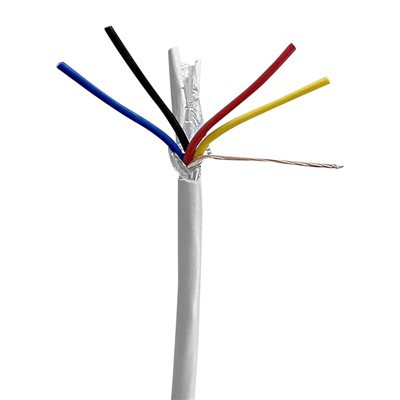
If you’re working on a solar project in a low-temperature area, whether it’s a small residential cabin or a large commercial array, we’ve got the cables for you. We can help you pick the right rating for your specific climate, answer any questions you have about installation, and send you samples if you want to test them yourself. Don’t hesitate to reach out if you want to chat more—we’re here to make sure your solar system works, even when the temps drop below freezing.
Solar DC Cables References:
- Photovoltaic Cable Standards and Cold Weather Performance, International Electrotechnical Commission (IEC)
- Solar Installation Best Practices for Low-Temperature Environments, North American Board of Certified Energy Practitioners (NABCEP)
- Polyethylene Insulation Properties in Cold Climates, Journal of Electrical Materials Engineering
Jiangsu Jingwei Cable Co., Ltd.
As one of the leading solar dc cables manufacturers in China, we warmly welcome you to buy bulk durable solar dc cables made in China here from our factory. All cables are with high quality and competitive price. For pricelist and free sample, contact us now.
Address: Industrial Concentration Zone C, Guanlin Town,Yixing City, Jiangsu Province
E-mail: marilyn.wang@jingwei-cable.com
WebSite: https://www.jwcable.com/
