Hey everyone, if you’ve ever stocked up on baby underpads (you know, the ones that save your mattress, stroller, and changing pad from chaos), you’ve probably wondered the same thing I did when I first started in this game: how long do these things actually last? As a supplier who’s been making these for years, I’ve talked to hundreds of parents, heard their messy stories, and dug into the science behind what makes a good baby underpad work. Let’s cut through the fluff—no fancy jargon, just real talk about how long you can count on these little lifesavers. Baby Underpad
First off, let’s get one thing straight: there’s no one-size-fits-all answer. A lot of people think it’s just about size, but it’s way more about what you’re using it for, how often you change it, and even your baby’s age. When I started this business, I used to hear parents say their underpads “disappear” in a week, but after testing different materials and talking to the folks who actually use them, I learned that the lifespan splits into two main categories: disposable ones (the most common) and reusable ones (for the eco-conscious crowd). Let’s break both down so you know exactly what to expect.
Disposable baby underpads are the workhorses for most families—they’re cheap, easy to toss after a mess, and perfect for quick changes. I’ve seen customers use them for everything from changing tables to potty training mishaps, and their typical lifespan here is a little shorter than you might think, but it’s way more than enough to make them worth it. Wait, why shorter? Because once the absorbent core gets saturated, they stop working. Most good disposable underpads (the ones we supply, for example) have a super absorbent polymer (SAP) core that locks in wetness, but once that’s full—usually after one big pee, or a combo of a small pee and spit-up mess on top—they’re done. For a baby under 6 months old, who pees a lot during night feeds, that might be just 4-6 hours. For an older baby who’s closer to potty training, maybe a few hours during a play session. But here’s the good part: if you’re using them for their intended purpose (changing a wet diaper, catching a blowout), a single underpad will last through 2-3 changes in a day. But by the end of the day, that’s probably it—you’ll need a new one tomorrow. So if you’re buying a pack, let’s do the math: a family with a 3-month-old might go through 5-7 a day, so a 100-count pack will last them about 14-20 days. That’s realistic, right? I know some parents who try to stretch a disposable underpad longer, but trust me—leaving a saturated one on can lead to diaper rash, and no one wants to deal with that extra mess.
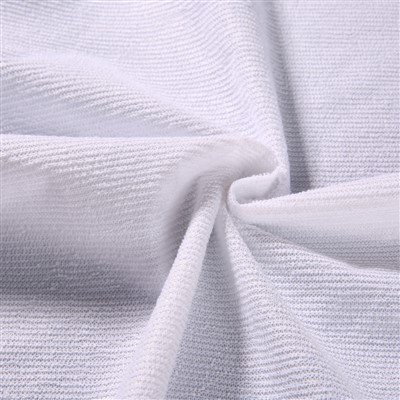
Now reusable underpads—they’re the other side of the coin, and they’re way more durable. These are the ones with a soft top layer (usually cotton or bamboo) and a waterproof backing, so you can wash and re-use them. I’ve supplied these to a lot of eco-friendly parents, and their lifespan is way longer than disposables—if you take care of them, they can last 1-2 years. Wait, how? Let’s talk about wear and tear. The main things that kill a reusable underpad are harsh laundry detergents, repeated drying in a hot dryer (that melts the waterproof backing), and too many stains that seep through. But if you wash them gently, air dry them, and don’t use bleach, they’ll stay intact for ages. For a single reusable underpad, how many times can you wash it? Most good ones can handle 300-500 washes before the waterproof layer starts to wear thin. That means if you use one 5 times a week, it’ll last about a year. If you have two or three on rotation, you might even get through potty training with the same set. I’ve had a customer tell me hers lasted for two kids, so that’s a win for both the wallet and the planet.
But wait, there are other factors that affect how long baby underpads last, regardless of type. Let’s talk about size first. A small underpad (like 17×24 inches) for changing tables will have a shorter lifespan than a large one (27×36 inches) for a toddler’s nap mat. Why? Because larger underpads have more absorbent material, so they can handle more mess before needing to be changed. A small one might last 4 hours, a large one 6-8. Then there’s the “use case”: if you’re using a diaper-sized underpad for a stroller, where it’s just catching the occasional spit-up, it’ll last way longer than if you’re using it for a night change, where it’s soaking up a full pee. Another thing: how you handle them. Disposable ones—if you don’t fold them up roughly, they won’t tear as easily. Reusable ones—if you don’t yank them around during changes, the stitching won’t come loose. I’ve seen parents who get double the life out of their underpads just by being gentle with them, and others who ruin a pack in a week by yanking them off the table or tossing them without rolling the mess in.
Here’s a fun fact I learned when we started testing our products: a lot of cheap underpads on the market use thin SAP cores that don’t absorb much, so they only last 1-2 hours, even for small babies. That’s why we focus on making underpads with a thick, high-quality SAP core—we want them to last through multiple uses without leaking. I once had a parent tell me she tried a cheaper brand before ours, and she went through twice as many a day because they’d leak halfway through a night feed. That’s why it’s worth investing in a good underpad—you might pay a little more upfront, but you’ll go through fewer, so it evens out.
Another thing to consider: when does an underpad “die”? For disposables, it’s when they leak, or the top layer gets soiled with solid mess that you can’t clean it. For reusable ones, it’s when the waterproof backing starts to peel, or the stitching comes undone, so it doesn’t hold mess anymore. I’ve had customers ask if they can use a disposable underpad after the SAP is full, but that’s a no—leaking onto your mattress is a way bigger mess than changing an underpad. For reusable, if you notice that stains are seeping through even after washing, that’s time to retire it.
Now, let’s talk about how to make your baby underpads last as long as possible, because no one wants to waste money. For disposables: don’t over-stretch them (that tears the sides), roll them up when you toss them (so the mess doesn’t spread), and store them in a dry place (moisture can make the SAP less effective, so they don’t absorb as well when you need them). For reusable: wash them in cold or warm water (not hot, that breaks down the waterproof layer), use a mild detergent (no bleach or fabric softener—those clog the absorbent layer), and air dry them if you can (if you use a dryer, use low heat). And if you have a stash, rotate them so none get overused.
Wait, I should also mention that for potty training, baby underpads get a different kind of workout. When your little one is learning to use the toilet, you might use them on the floor, so they’re catching accidents that are bigger and more frequent. For that, a good underpad (disposable or reusable) might last 1-2 hours, since it’s dealing with more mess. But that’s also the time when you need them most, so investing in ones that can handle that extra wear is key.
I’ve been in this business for long enough that I’ve seen trends come and go, but the one thing that never changes is that parents want underpads that work. They don’t want to have to worry about leaks in the middle of the night, or ruining their new couch. That’s why we put so much research into making our underpads last as long as they can—we test them for absorbency, durability, and how they hold up after washing. So when we say a disposable underpad will last through 2-3 changes, or a reusable one will last a year, that’s based on real testing, not just guesswork.
At the end of the day, the length of time a baby underpad lasts depends on what you’re using it for, the quality of the product, and how you take care of it. Disposables are perfect for busy days or quick changes, lasting a few days in a pack, while reusables are great for long-term use, lasting a year or more with proper care. The key is to pick the right type for your family, and invest in a brand that doesn’t cut corners on materials.
If you’re in the market for high-quality baby underpads that last, we’ve got you covered. We’ve got disposables for every stage, from newborn to potty training, and reusable options that are soft and durable. Whether you’re a new parent trying to stock up, or a larger family looking to save on long-term costs, we can work with you to find the right fit. Contact us today to chat about your needs, and we’ll help you get set up with underpads that work as hard as you do.
Air Layer Fabric References:
- American Academy of Pediatrics. (2021). Diapering Essentials for Healthy Infants and Toddlers.
- Journal of Pediatric Nursing. (2019). Disposable vs. Reusable Underpads: Performance and Durability in Home Care Settings.
- International Fabric Care Institute. (2020). Best Practices for Washing Reusable Baby Products to Extend Lifespan.
- Consumer Reports. (2022). Review of Disposable Baby Underpads: Absorbency and Longevity Testing.
Jiangsu Etang Household Products Co., Ltd.
We are one of the most professional baby underpad manufacturers and suppliers in China. With abundant experience, we warmly welcome you to buy bulk premium baby underpad made in China here from our factory. All customized products are with high quality and competitive price. Contact us for pricelist.
Address: No. 18 Nanhai Road, Siyang Economic Development Zone, Siyang County, Suqian City, Jiangsu Province
E-mail: etang216@js-et.com
WebSite: https://www.etangbedding.com/
