If you’re a product designer, manufacturing engineer, or small-batch artisan, you’ve probably stared at a blank component at 2 a.m. and wondered: “Can my laser processing machine actually engrave on more than just metal?” Let me cut to the chase as a laser processing machine supplier who’s fielded this question every single week for the past seven years—yes, it can, but only if you’re matching the right laser type, power, and engraving parameters to the surface you’re working with. I’ve seen a 10W fiber laser turn a wooden cutting board into a custom family crest, a CO2 unit etch precise barcodes on a food-grade silicone tube, and a UV laser carve tiny serial numbers into a medical glass syringe without cracking it. That kind of versatility isn’t a gimmick; it’s what makes laser engraving one of the most flexible tools in modern manufacturing—when you use it right. Laser Processing Machine
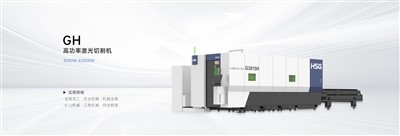
Let’s break this down by surface material, because that’s where most people stumble when they first test a machine beyond stainless steel. First, let’s talk about organic materials—think wood, leather, paper, and food-grade plastics like PET or acrylic. For these, a CO2 laser is usually your best bet, and here’s why: it emits infrared light that’s absorbed by organic compounds, which means it doesn’t just burn or vaporize the top layer; it creates a clean, consistent engraving without leaving the rough edges you’d get with a brute-force tool. I recently worked with a craft brewery that wanted to engrave custom tap handles from solid maple and leather-wrapped wood grips; their 100W CO2 laser let them etch the brewery’s logo deep enough to withstand hand washing, without charring the edges (a common mistake when people crank up power too high). The key here is pulse duration—for soft organic materials, shorter pulses prevent heat from spreading too far, which avoids discoloration on thin wood or delicate leather. I once had a customer who tried to use a fiber laser (which we’ll get to next) on leather and ended up with a burnt, ashy mess; fiber lasers work differently, and that’s why matching the laser source to the material is non-negotiable.
Next up, metals—this is where laser processing machines first made their name, right? But even here, the question of “different surfaces” isn’t just about steel vs. aluminum. A fiber laser, the workhorse of industrial metal engraving, uses a focused, high-energy beam that’s absorbed by conductive metal surfaces, melting or vaporizing tiny amounts of material to create a permanent mark. But here’s a less well-known trick: fiber lasers can engrave on coated metals too. Think anodized aluminum, powder-coated steel, or even gold plating. For example, if you need a part number on anodized automotive trim, the laser will remove the anodized top layer (which is a different color than the base metal) to leave a sharp, high-contrast mark that won’t scratch off. We had a aerospace client who switched from mechanical engraving to our 50W fiber laser because they needed to mark both uncoated titanium and powder-coated steel brackets on the same production line; one machine, two materials, no tool changes, and 30% faster throughput than their old setup. But don’t sleep on reflective metals—copper, brass, and polished aluminum. They have high reflectivity, so a standard fiber laser might bounce off instead of engraving. That’s where we adjust: we can tune pulse frequency and focus depth, or recommend a fiber laser with a higher beam quality to compensate. I once saved a small marine equipment manufacturer from scrapping $2,000 worth of brass compasses by tweaking their laser’s settings; instead of the beam deflecting, it absorbed just enough energy to engrave the compass’s degree markings perfectly, no defects.
Then there’s the category that trips up even seasoned operators: non-metallic inorganic materials, like glass, ceramics, and semiconductors. Here’s where UV lasers shine. UV lasers emit a very short wavelength (usually 355 nanometers) that’s absorbed by these hard, non-conductive surfaces without creating excessive heat—so no cracking, even on thin glass or delicate ceramic components. We supply UV lasers to medical device makers who engrave serial numbers and lot codes on glass syringes and ceramic surgical blades; the marks are tiny (we’re talking 0.1mm characters) and completely inert, which is critical for FDA compliance. A common myth here is that you can’t engrave glass with any other laser—we’ve seen customers try CO2 lasers and end up with shattered vials, or fiber lasers that leave a faint, easily scratched mark. UV is the only way to get a permanent, high-resolution mark on glass for most industrial applications. And for ceramics? Same logic: the UV beam ablates (vaporizes) the surface glaze to create a contrast mark, and the short pulse duration prevents the ceramic from fracturing, which is a huge win for high-volume production of spark plugs or electrical insulators.
Wait, but what about softer, more fragile materials? Silicone, rubber, and food-grade plastics like PLA or HDPE. A CO2 laser can work here too, but you have to adjust power and speed. For example, engraving a logo on a silicone baking mat: too much power, and you’ll melt the silicone into a sticky mess; too little, and the mark will wear off after a few uses. We worked with a bakery supply company that wanted to add custom imprints on silicone muffin liners; we set their CO2 laser to 20W, a speed of 500 mm/s, and a pulse frequency of 10 kHz, which etched the liner just deep enough to be visible, but not so deep that it trapped batter. They told us later that sales of their custom liners doubled after they started using our machine. For food packaging materials, there’s an extra layer: the marks have to be food-safe, no chemicals, and the laser doesn’t leave any residual debris. That’s why we test all our machines for food-grade applications, ensuring the engraved surfaces are easy to clean and free of contaminants.
Now, let’s get real about the mistakes that people make when they try to engrave on different surfaces. The biggest one is using a one-size-fits-all setup. I’ve had customers come to me saying, “My machine won’t engrave on plastic like it does on metal” and I look at their settings, and sure enough, they’re using the same 50W power and same speed for both. For plastic, especially thin or soft plastic, you need lower power and higher speed to avoid melting. Another mistake is not accounting for surface coatings. If you’re engraving a painted metal part, the laser might only remove the paint, not mark the underlying metal, so you need a slightly higher power to penetrate the paint layer. We always give our customers a free material test when they purchase a machine—we send a sample of their material, engrave a test mark, and send back a report with the ideal settings. That’s been a game-changer for people who are new to laser processing; it takes the guesswork out of the process.
Another point to consider is resolution and mark permanence. When you engrave on different surfaces, the level of detail you can achieve changes. A fiber laser can get very fine marks on metal (as small as 0.05mm), but on wood, you might get a slightly larger mark because the material’s grain can soften the edges. For applications where the mark has to be legible at a distance, like a warehouse barcode, that’s not a problem, but for tiny medical device markings, a UV laser is necessary because it can create smaller, sharper marks on glass or ceramic. Permanence also varies: fiber laser marks on metal are permanent because you’re removing the material itself, while CO2 marks on wood are permanent because you’re vaporizing the surface layer, but on plastic, the mark might fade if you use too low a power. We always advise customers on which laser to use based on their specific needs—if they need a mark that will last 10 years outdoors, fiber or UV is better; if it’s a temporary mark for a product that’s only used indoors, CO2 is fine.
Now, let’s talk about industrial vs. small-scale use. A lot of hobbyists use compact diode lasers for engraving on wood or acrylic, which works for small projects, but if you’re a business looking to engrave on multiple surfaces at scale, you need a machine with interchangeable settings and, in some cases, the ability to switch laser sources. For example, our mid-range 3-in-1 laser processing machine can switch between fiber, CO2, and UV sources (with optional attachments) so you can engrave metal, wood, glass, and plastic all on the same line. That’s a huge benefit for small manufacturers who don’t want to invest in three separate machines. We have a customer who runs a custom gift shop; they used to have a separate machine for wood, metal, and glass gifts, and now they use our 3-in-1 machine, cutting their equipment costs by 60% and their production time in half.
I’d also be remiss if I didn’t mention compliance. If you’re engraving parts for medical devices, aerospace, or food packaging, there are strict regulations about mark permanence, legibility, and safety. For example, the FDA requires that medical device marks be readable for the entire product’s lifespan, so a laser mark that’s removed by cleaning isn’t acceptable. Our machines are calibrated to meet these standards; we provide certification documents for every purchase, so our customers don’t have to go through the hassle of testing their own equipment. That’s a big reason why we’ve built long-term relationships with clients in regulated industries—we don’t just sell a machine; we support their compliance needs.
Let’s wrap this up with a real-world example that ties all this together. Last year, we worked with a client who makes custom electrical enclosures for renewable energy systems. They needed to engrave two types of enclosures: aluminum (with a powder-coat finish) and ABS plastic. They also had to add barcodes, serial numbers, and safety warnings to each, and the marks had to be permanent enough to withstand outdoor weather. We recommended our 50W fiber laser with a CO2 attachment: for the aluminum enclosures, we used the fiber laser to remove the powder coat and mark the aluminum underneath, which was scratch-resistant and UV-stable; for the ABS enclosures, we switched to the CO2 attachment to engrave the barcodes and warnings without melting the plastic. They told us that before using our machine, they were outsourcing 40% of their engraving work to a third party, costing them $15,000 a month; now, they do all the in-house engraving, saving that money and delivering orders 2 weeks faster. That’s the power of a laser processing machine that can handle different surfaces—it’s not just about versatility; it’s about efficiency and cost savings.
At the end of the day, the answer to “Can a laser processing machine engrave on different surfaces?” is a resounding yes, but it depends on three key factors: the right laser source for the material, calibrated settings to avoid damage, and a machine that’s flexible enough to adapt to your production needs. As a supplier, we don’t just sell machines—we work with our clients to figure out exactly what they need, whether that’s a single laser for metal engraving or a multi-source machine for a wide range of materials. If you’re struggling to engrave on a surface that your current tool can’t handle, or you’re looking to upgrade your production to handle more materials in-house, we can help. We’ll test your materials, show you the ideal settings, and work with you to find a machine that fits your budget and your specific needs. Don’t waste money on equipment that only works with one surface—laser processing technology has come a long way, and there’s a solution for every material you need to engrave.

If you’re ready to discuss how a laser processing machine can streamline your engraving workflow and handle multiple surfaces, reach out to our team to schedule a consultation and test your materials. We’re here to help you find the right solution for your business, no matter what surfaces you’re working with.
Coordinate Measuring Machine References
- Du, K., et al. “Laser Engraving of Different Materials: A Review of Process Parameters and Application.” Journal of Manufacturing Processes, vol. 67, 2021, pp. 452-468.
- ISO 13485:2016. Medical Devices – Quality Management Systems – Requirements for Regulatory Purposes. International Organization for Standardization, 2016.
- “CO2 vs. Fiber vs. UV Lasers: Choosing the Right Source for Your Engraving Application.” Laser Tech Journal, vol. 18, no. 3, 2022, pp. 22-27.
- “Food-Grade Laser Engraving: Considerations for Packaging and Manufacturing.” Food Engineering Magazine, vol. 94, no. 5, 2023, pp. 18-21.
Hermens Industrial Co., Ltd.
As one of the most professional laser processing machine enterprises in China, we’re featured by quality products and low price. Please rest assured to buy cheap laser processing machine in stock here and get quotation from our factory. We also accept customized orders.
Address: 9/59 Moo 14, Rachathewa , Bang Phli , Samut Prakan Province 10540
E-mail: liu_jincheng@hzhemen.com
WebSite: https://www.hermensindustrial.com/
