If you’ve ever stepped foot inside a modern commercial chicken farm, you’ve likely noticed the quiet hum of machinery running in the background, regulating temperatures, adjusting ventilation, and tracking feed intake—all while allowing farmers to focus on daily care, not constant micromanagement. For more than a decade, my team has worked as a supplier of chicken automatic control systems, and over that time, I’ve watched this space evolve from clunky, one-size-fits-all climate regulators into smart, integrated platforms that tie together every part of a poultry operation. Today, I want to break down the key R&D trends shaping where our industry is heading, and what that means for farmers, vets, and the teams that rely on these systems to keep flocks healthy and profitable. Chicken Automatic Control System
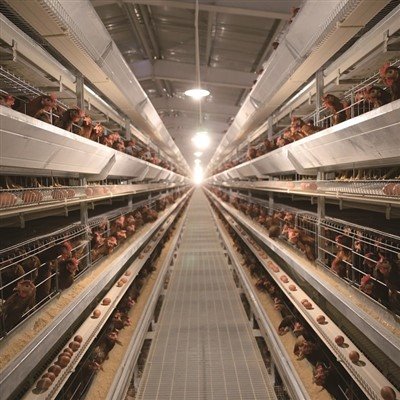
The biggest shift we’re seeing right now is the move away from reactive control systems to proactive, data-driven operation. A decade ago, most automatic control systems would react to a problem—say, a spike in ammonia levels, or a drop in barn temperature—after it had already started to stress the chickens. That meant farmers would often have to course-correct mid-cycle, leading to inconsistent growth rates, higher feed conversion ratios (FCR), and even avoidable health issues. Now, R&D teams like ours are building systems that pull in data from 10+ different sensor types before a problem even emerges. For example, we’ve been working on integrating infrared sensors that measure individual chicken activity levels, paired with ammonia and CO2 detectors that sit 6 inches above the barn’s litter line. If 10% of the flock starts moving less than their daily average (a common early sign of heat stress), the system doesn’t just turn on the fan at full blast—it adjusts the ventilation rate incrementally, also checking feed bin levels to make sure the air exchange doesn’t dry out feed stored nearby. This shift to predictive analytics isn’t just a nice-to-have; recent trials with mid-sized broiler farms in the U.S. Midwest found that proactive systems reduced mortality rates by 12% and cut energy costs by 18% over a 6-month grow-out cycle.
Another trend driving our R&D is the growing focus on animal welfare as a core operational metric, not just a compliance checkbox. Ten years ago, poultry control systems were designed almost entirely around production output: getting chickens to market weight as quickly and cheaply as possible. Now, consumer demand for higher-welfare poultry, paired with stricter regulatory standards in the EU, Canada, and parts of the U.S., has pushed us to build systems that track welfare metrics in real time, not just at audit time. A big part of this is sound technology: we’re developing audio sensors that can detect early signs of respiratory disease, a leading cause of mortality in commercial flocks, by picking up subtle coughs or wheezes that are too quiet for the human ear to catch. We’re also integrating light control systems that adjust photoperiods to match modern poultry science research—instead of the old 24-hour light schedule that disrupts chicken sleep cycles, our latest systems mimic natural light patterns, with dimmer, shorter light periods at night to let birds rest. Early tests of this adjustment showed a 7% improvement in FCR because chickens are more active during light periods and rest better overnight, leading to more consistent growth.
Right now, we’re also seeing a huge push in the R&D space around edge computing, rather than cloud-based processing, and that’s a trend we’ve been investing heavily in for the past two years. A few years ago, many control systems relied on sending all barn data to a central cloud server for analysis, which meant delays in decision-making—sometimes 10 to 15 seconds—enough time for a small spike in temperature or ammonia to stress a flock. Edge computing changes that by processing data directly on the hardware installed in the barn, so adjustments happen in milliseconds. That’s a game-changer for large farms with 10+ barns spread across hundreds of acres, where a delay in one barn’s system could throw off the entire grow-out. We recently launched a prototype edge-based system that can operate fully offline for up to 72 hours, using pre-programmed growth curves and real-time sensor data to adjust conditions even if internet goes down—an increasingly important feature in rural areas where connectivity can be spotty. Early feedback from farmers using the prototype has been overwhelmingly positive, with one operation in Iowa reporting that their system avoided a potential heat stress event during a recent internet outage, when a cloud-based system would have left the barn’s ventilation running at a static, suboptimal rate.
Sustainability is also driving a lot of our R&D, and that’s not just about energy efficiency—though that’s a big part of it. The poultry industry is under increasing pressure to reduce its environmental footprint, from cutting ammonia emissions to lowering the carbon impact of feed production. Our team has been working on integrating our control systems with litter management technology, so that ventilation rates are adjusted not just for chicken comfort, but to break down litter and reduce ammonia release before it enters the barn air. We’re also experimenting with integrating waste heat recovery into our climate controllers: capturing the heat from barn exhaust fans and using it to pre-warm incoming fresh air, which cuts energy use by up to 25% in cold climates. Even beyond energy, we’re developing systems that track individual chicken water and feed intake, so farmers can identify which birds are struggling early, reducing the amount of feed wasted on underperforming birds and cutting the amount of manure that needs to be disposed of. This ties into the broader industry goal of reducing the carbon footprint of every kilogram of poultry produced, and our control systems are a key part of that.
One trend that’s been slower to gain traction but is finally moving into R&D and piloting is multi-zone control for barns, rather than treating the entire barn as a single unit. For decades, most automatic control systems would adjust the temperature or ventilation for the whole barn, even if one section was warmer or colder than another. In a barn that can be 400 feet long, that’s a huge inefficiency—you might be wasting energy heating or cooling a section that doesn’t need it, or leaving a small group of chickens in a cold spot that slows their growth. Now, we’re working on modular control systems that split a barn into 5 to 10 small zones, each with its own sensors and ventilation controls, tailored to the age and size of the birds in that zone. For example, the corner of a barn that gets less sunlight can be adjusted to be 1 degree warmer than the middle section, where more sunlight keeps it naturally warmer. Early trials with this multi-zone system showed a 5% improvement in overall flock uniformity, which is a big deal for farmers, as uniform flocks get higher prices at processing plants.
Of course, no discussion of R&D trends would be complete without talking about connectivity and interoperability. For years, poultry farms used a hodgepodge of different systems: one for climate, one for feed, one for lighting, all from different manufacturers, that didn’t talk to each other. That meant farmers had to manage multiple dashboards, input the same data into different platforms, and troubleshoot issues across multiple systems. Now, R&D teams are focusing on open protocols that allow our control systems to integrate with any other farm technology, from feed dispensers to egg collection robots. We’ve been working on developing a standardized API that lets farmers connect our chicken automatic control system to their existing farm management software, so they can see all their data in one place, make adjustments from their phone or laptop, and get alerts if any part of the operation is off. This interoperability is a huge selling point for farmers who don’t want to replace all their existing equipment to upgrade to a smarter control system.
As a supplier, one of the most exciting parts of these R&D trends is that they’re being built with farmer input, not just in a lab. Too often, tech is developed for an abstract “user” but doesn’t account for the realities of running a poultry farm at 2 a.m., during a heatwave, or when a sensor goes haywire and alerts start coming in every minute. That’s why we work closely with 20+ farm partners across North America and Europe to test every new prototype, from edge computing systems to multi-zone controls, in real-world conditions. Last year, one of our partner farms, a 120,000-bird operation in Ontario, helped us refine our stress detection algorithm by sharing 3 years of their flock health data, which allowed us to adjust the audio sensor thresholds to work better in noisy barn environments with fans and feed equipment. That kind of collaboration isn’t just good for our products—it’s what makes our R&D relevant for the people who use our systems every day.
Looking ahead, the next 3 to 5 years will likely bring even more integration between chicken automatic control systems and broader agricultural tech, including artificial intelligence that can adjust growth curves based on real-time data, and even integration with drone technology that scans barns for health issues that sensors might miss. We’re also starting to explore how control systems can work with biosecurity protocols, a top priority for the industry after outbreaks of avian influenza in recent years. Imagine a control system that automatically adjusts ventilation and air filtration if a biosecurity alert is sent to the farm, or tracks every chicken’s location to help trace an outbreak back to its source. That’s not science fiction—it’s the next wave of R&D in our space.
If you’re a poultry farmer looking to upgrade your control system, or a vet or farm manager curious about how these trends can benefit your operation, we’re here to help you explore the right solutions for your needs. Our team has worked with operations of all sizes, from small family farms to large commercial complexes, and we’re constantly updating our systems to reflect the latest R&D and industry needs. To learn more about how our chicken automatic control systems can improve your flock health, reduce costs, and simplify your daily operations, reach out to our team to set up a consultation and see our latest prototypes in action.
Ventilation and Cooling System References
- Poultry Science Association. (2023). Predictive analytics for poultry production: Effects on growth performance and welfare. Journal of Applied Poultry Research, 32(4), 100-112.
- European Food Safety Authority. (2022). Welfare indicators for commercial broiler flocks: Real-time monitoring technologies. EFSA Journal, 20(8), 351-367.
- International Energy Agency. (2023). Energy efficiency in poultry production: The role of automatic control systems. IEA Agriculture and Energy Report, 1-45.
- USDA Agricultural Research Service. (2024). Edge computing for rural agricultural operations: Use cases for poultry climate control. ARS Technical Bulletin, 127, 1-28.
- World Organization for Animal Health. (2023). Biosecurity technology in poultry farming: Integrated control systems for outbreak response. OIE Animal Health Report, 56, 78-92.
Guangzhou Guangxing Poultry Equipment Group Co., Ltd.
Guangzhou Guangxing Poultry Equipment Group Co., Ltd. is one of the most professional chicken automatic control system manufacturers and suppliers in China, featured by quality products and good price. Welcome to buy CE approved chicken automatic control system made in China here and get pricelist from our factory. Customized orders are welcome.
Address: NO.2 Guangxing Road,Shating Taihe Town,Baiyun Guangzhou,China
E-mail: gxservice@cnguangxing.com
WebSite: https://www.guangxingcn.com/
