Hey there! I’m a supplier of lifting components, and today I wanna chat about something that’s been on my mind lately: the effects of electromagnetic fields on lifting components. You might be thinking, "Electromagnetic fields? What do they have to do with lifting stuff?" Well, it turns out they can have a pretty big impact, so let’s dig in. Lifting Components

First off, what are electromagnetic fields? In simple terms, they’re a combination of electric and magnetic fields that are created by the movement of electric charges. You can find them all around us, from the power lines outside our houses to the electronic devices we use every day. They’re not always visible, but they’re definitely there.
Now, let’s talk about how these fields can affect lifting components. One of the main concerns is the potential for interference. Lifting components often rely on electronic sensors and controls to function properly. These sensors are designed to detect things like weight, position, and movement. But electromagnetic fields can mess with these sensors, causing them to give inaccurate readings or even fail altogether.
For example, let’s say you’re using a lifting component with a load cell sensor that measures the weight of the load. If there’s a strong electromagnetic field nearby, it could interfere with the electrical signals from the load cell. This might make the sensor think that the load is heavier or lighter than it actually is. And that’s a big problem, because it could lead to overloading the lifting equipment, which is not only dangerous but can also cause serious damage to the components.
Another issue is the effect on the magnetic properties of the lifting components themselves. Some lifting components, like magnetic lifters, rely on strong magnetic fields to hold and move loads. But external electromagnetic fields can disrupt these internal magnetic fields. If the external field is strong enough, it could weaken the magnetic force of the lifter, causing the load to slip or fall. That’s a major safety hazard, and it’s something we definitely need to be aware of.
Corrosion is also a concern when it comes to the effects of electromagnetic fields on lifting components. Electromagnetic fields can accelerate the corrosion process, especially in metal components. The fields can cause changes in the electrical potential of the metal surface, which can make it more susceptible to rust and other forms of corrosion. Over time, this corrosion can weaken the structural integrity of the components, making them more likely to fail.
So, what can we do about these potential problems? Well, as a lifting components supplier, I believe in taking proactive measures. First of all, it’s important to test the components in different electromagnetic environments. This can help us identify any potential issues early on and make adjustments as needed. For example, we can use shielding techniques to protect the electronic sensors from electromagnetic interference. Shielding involves using materials that can block or absorb the electromagnetic fields, preventing them from reaching the sensitive components.
We also need to educate our customers about the potential risks associated with electromagnetic fields. When they’re purchasing lifting components, we should let them know about the conditions in which the components might be affected and what they can do to minimize those risks. This could include things like avoiding using the components near high-power electrical equipment or making sure they’re properly grounded.
In addition to these steps, we can also work on developing lifting components that are more resistant to electromagnetic fields. This might involve using different materials or designing the components in a way that makes them less susceptible to interference. For example, we could use non-magnetic materials in some parts of the components to reduce the impact of external magnetic fields.
Now, let’s think about the real-world implications of these effects. In industries like manufacturing and construction, where lifting components are used on a daily basis, the presence of electromagnetic fields can have a significant impact on productivity and safety. If a lifting component fails due to electromagnetic interference, it can cause delays in the production process, which can be costly for businesses. And if a load falls because of a weakened magnetic lifter, it can put workers at risk of injury.
On the other hand, by understanding and addressing the effects of electromagnetic fields, we can ensure that our lifting components are reliable and safe to use. This can give our customers peace of mind and help them operate more efficiently.
As a supplier, I’m constantly looking for ways to improve the quality and performance of our lifting components. And dealing with the effects of electromagnetic fields is just one of the many challenges we face. But I’m confident that by working together with our customers and investing in research and development, we can overcome these challenges and provide the best possible products.
If you’re in the market for lifting components and you’re concerned about the effects of electromagnetic fields, don’t hesitate to reach out. We’re here to help you choose the right components for your needs and provide you with all the information you need to use them safely and effectively. Whether you’re running a small business or a large industrial operation, we’ve got the expertise and the products to meet your requirements.
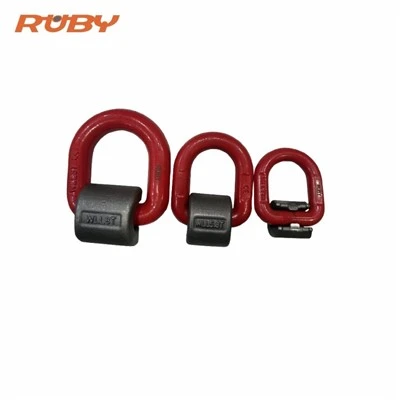
So, if you’re interested in learning more or starting a conversation about purchasing lifting components, feel free to drop me a line. We can discuss your specific needs, answer any questions you might have, and work together to find the perfect solutions for your lifting applications.
Lifting Point References
- "Electromagnetic Compatibility in Industrial Environments" – IEEE Transactions on Electromagnetic Compatibility
- "Effects of Electromagnetic Fields on Metal Structures" – Journal of Materials Science and Engineering
- "Safety Considerations for Lifting Equipment in Electromagnetic Environments" – International Journal of Occupational Safety and Health
Hangzhou Ruby Imp. & Exp. Co., Ltd.
As one of the most experienced lifting components manufacturers and suppliers in China, we offer a wide range of products with superior quality. We warmly welcome you to wholesale custom made lifting components at competitive price from our factory.
Address: Taoyuan Industrial Park, Puyang Town, Xiaoshan, Hangzhou, Zhejiang, China.
E-mail: Sales5@z2lifting.com
WebSite: https://www.rubylifting.com/
