Dry particles, a seemingly insignificant element in the vast expanse of environmental factors, can have a profound impact on the performance of solar panels. As a supplier of dry particles, I’ve witnessed firsthand the intricate relationship between these tiny particles and the efficiency of solar energy systems. In this blog post, I’ll delve into the science behind how dry particles affect solar panels, share real – world insights, and explain why understanding this relationship is crucial for solar panel owners and operators. Dry Particles

The Basics of Solar Panel Performance
Before we explore the impact of dry particles, it’s essential to understand how solar panels work. Solar panels are designed to convert sunlight into electricity through the photovoltaic effect. When sunlight hits the semiconductor material in the solar panels, it excites electrons, creating an electric current. The efficiency of this process depends on several factors, including the quality of the solar panel materials, the angle of the sun, and the amount of sunlight reaching the panel.
How Dry Particles Interact with Solar Panels
Dry particles can interact with solar panels in multiple ways, each with its own set of consequences for performance.
Shading and Blockage
One of the most direct ways dry particles affect solar panels is by physically blocking sunlight. Dust, sand, and other dry particles can accumulate on the surface of the solar panels, creating a layer that reduces the amount of sunlight reaching the photovoltaic cells. This shading effect can significantly decrease the panel’s efficiency, as less sunlight means fewer photons to excite the electrons and generate electricity.
For example, in desert regions where sandstorms are common, solar panels can quickly become covered with a thick layer of sand. Studies have shown that a thin layer of dust equivalent to just 1 gram per square meter can reduce the efficiency of a solar panel by up to 5%. In severe cases, such as after a major sandstorm, the reduction in efficiency can be as high as 30% or more.
Abrasion and Surface Damage
Dry particles can also cause abrasion and damage to the surface of the solar panels. When wind – blown particles collide with the panel’s protective glass, they can scratch the surface, reducing its transparency and increasing light reflection. Over time, this cumulative damage can lead to a significant reduction in the amount of sunlight that penetrates the panel, thereby decreasing its performance.
In addition to scratches, the abrasion can also degrade the anti – reflective coating on the solar panels. This coating is designed to minimize reflection and maximize the absorption of sunlight. Once damaged, the coating becomes less effective, and more sunlight is reflected away rather than being absorbed by the photovoltaic cells.
Chemical Reactions
Some dry particles can react chemically with the materials in solar panels. For instance, acidic particles in the air, such as sulfur dioxide and nitrogen oxides, can combine with moisture and form acid rain. When this acidic rain dries on the surface of the solar panels, it can corrode the metal contacts and wiring, leading to electrical failures and a decrease in power output.
Similarly, alkaline particles can also cause problems. In areas with high levels of airborne dust containing alkaline compounds, these particles can react with the glass surface of the solar panels, causing a process known as glass corrosion. This can lead to a hazy appearance on the panel’s surface, reducing light transmission and overall efficiency.
Real – World Case Studies
To illustrate the real – world impact of dry particles on solar panel performance, let’s look at a few case studies.
Case Study 1: A Solar Farm in the Middle East
In a solar farm located in the Middle East, the region is known for its frequent sandstorms and high levels of airborne dust. The solar panels in this farm were initially experiencing high efficiency levels, but over time, the performance started to decline rapidly. After conducting a detailed analysis, it was found that the accumulation of sand and dust on the panels was the primary cause. The shading effect of the dust layer was reducing the amount of sunlight reaching the cells, and the abrasion from the sand particles was damaging the panel’s surface. By implementing a regular cleaning schedule and installing dust – protection systems, the operators were able to restore the panels’ efficiency to near – original levels.
Case Study 2: A Rooftop Solar Installation in an Industrial Area
In an industrial area, a rooftop solar installation was facing issues with reduced power output. The analysis revealed that the dry particles emitted from nearby factories, including heavy metals and acidic compounds, were causing chemical reactions on the surface of the solar panels. The corrosion of the metal components and the degradation of the anti – reflective coating were significantly reducing the panel’s performance. By implementing a more advanced cleaning and maintenance program, which included the use of specialized cleaning agents to remove the chemical residues, the performance of the solar panels was improved.
Mitigating the Impact of Dry Particles
As a supplier of dry particles, I understand the challenges that solar panel owners and operators face in dealing with the negative effects of these particles. However, there are several strategies that can be employed to mitigate their impact.
Regular Cleaning
One of the most effective ways to reduce the impact of dry particles is through regular cleaning. This can involve manual cleaning using water and non – abrasive cleaning agents or automated cleaning systems. Automated cleaning systems, such as robotic cleaners, can be programmed to clean the solar panels at regular intervals, removing the dust and debris before they accumulate and cause significant performance issues.
Protective Coatings
Applying protective coatings to the surface of the solar panels can also help reduce the impact of dry particles. These coatings can provide an additional layer of protection against abrasion, chemical reactions, and dust accumulation. Some coatings are designed to be hydrophobic, causing water to bead up and roll off the panel’s surface, taking the dust and particles with it.
Dust – Prevention Systems
Installing dust – prevention systems, such as windbreaks and dust screens, can also be an effective way to reduce the amount of dry particles that reach the solar panels. Windbreaks can be used to redirect the wind and reduce the force of the wind – blown particles, while dust screens can physically block the larger particles from reaching the panels.
Why Choose Our Dry Particles
Now, you might be wondering why you should consider our dry particles as a part of your operations. While dry particles typically have negative connotations when it comes to solar panel performance, our dry particles are carefully engineered and can be used in a controlled way to enhance certain aspects of solar panel technology.
Our dry particles can be used in the manufacturing process of solar panels to improve their efficiency and durability. For example, some of our specially formulated particles can be incorporated into the anti – reflective coatings of solar panels. These particles can help to further reduce light reflection and increase the absorption of sunlight, leading to a boost in power output.
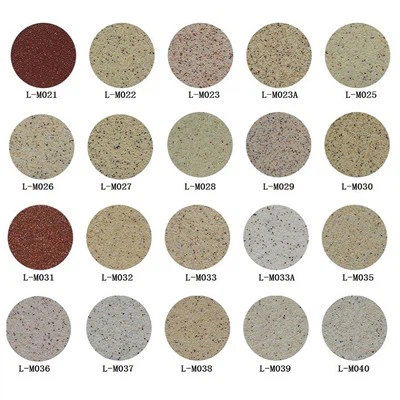
In addition, our dry particles can be used in the development of self – cleaning solar panels. By incorporating these particles into the surface coatings of the panels, we can create a super – hydrophobic effect that causes water to roll off the surface, taking dirt and debris with it. This reduces the need for frequent manual cleaning and helps to maintain the panel’s performance over time.
Contact Us for More Information
Stone Paint Flakes If you’re interested in learning more about how our dry particles can be used to enhance the performance of your solar panels, or if you have any questions about the impact of dry particles on solar panel technology, we’d love to hear from you. Our team of experts is ready to discuss your specific needs and provide you with customized solutions. Whether you’re a solar panel manufacturer, a solar farm operator, or a homeowner with a rooftop solar installation, we can help you make the most of your solar energy system.
References
- Chowdhury, S., & Islam, M. R. (2018). Impact of dust accumulation on solar photovoltaic (PV) performance: Research status, challenges and recommendations. Renewable and Sustainable Energy Reviews, 81, 1935 – 1951.
- Sayigh, A. A. M., Al – Ghandoor, A. H., & Al – Qadi, M. A. (2012). The effect of dust on the transparent cover of solar collectors. Solar Energy, 86(1), 184 – 192.
- Tripanagnostopoulos, Y., & Souliotis, G. (2008). The impact of dust deposition on the short – term performance of solar PV panels. Renewable Energy, 33(11), 2423 – 2430.
Dengjian New Materials Technology Dongtai Co., Ltd.
As one of the most professional dry particles manufacturers and suppliers in China, we’re featured by quality products and good price. Please rest assured to buy customized dry particles made in China here from our factory. Contact us for pricelist.
Address: Qindong New Materials and Equipment Industrial Park, Dongtai City, Yancheng City
E-mail: 992683005@qq.com
WebSite: https://www.djwallmaterial.com/
