Hey there! I’m a supplier of FTTH drop cables and patch cords. You might not think about it much, but proper storage of these cables and cords is super important. In this blog, I’m gonna share some tips on how to store them right. Ftth Drop Cable and Patch Cords

First off, let’s talk about why proper storage matters. FTTH drop cables and patch cords are pretty delicate. If they’re not stored well, they can get damaged easily. Damaged cables can lead to all sorts of problems, like signal loss or connection issues. That’s not good for you, and it’s not good for your customers either. So, by storing them properly, you can make sure they last longer and work as they should.
One of the most important things is to keep them in a dry place. Moisture is the enemy of these cables. If they get wet, it can cause corrosion and other damage to the conductors inside. This can really mess up the signal transmission. You don’t want to end up with a bunch of cables that don’t work just because they were stored in a damp area. So, find a storage space that’s dry and well – ventilated. Maybe a storage room with a dehumidifier could be a great option.
Temperature also plays a big role. Extreme temperatures can be bad news for FTTH drop cables and patch cords. Too hot, and the insulation material can start to break down. It can become brittle and crack, which allows the conductor to be exposed. On the other hand, if it’s too cold, the cables can become stiff and more prone to breakage. The ideal temperature range for storing these cables is between 10°C to 30°C (50°F to 86°F). You can use a thermometer in your storage area to keep an eye on the temperature. If it gets out of this range, you might need to adjust the environment, like using a heater in winter or an air – conditioner in summer.
Now, let’s move on to how to actually store them physically. You should avoid coiling the cables too tightly. When you coil them up, the radius of the coil should be at least 10 times the outer diameter of the cable. Tight coiling can cause stress on the fibers inside, which can lead to signal degradation over time. You can use cable reels or spools to store the drop cables. These are designed to hold the cables in a proper, loose coil.
For patch cords, you can use cable organizers or trays. These help to keep the cords organized and prevent them from getting tangled. Tangled cords not only look messy but can also cause damage when you try to untangle them. You can label the trays and cords to make it easier to find what you need quickly.
Another thing to keep in mind is to protect the cables from physical damage. Make sure they’re not placed in areas where they can be stepped on, crushed, or hit by objects. You can use cable racks or shelves to keep them off the ground and out of the way. And if you have to stack them, be careful not to stack too many on top of each other, as this can cause pressure and damage to the lower cables.
It’s also a good idea to keep the cables away from direct sunlight. Ultraviolet (UV) rays from the sun can damage the outer jacket of the cables. This can make the jacket brittle and more likely to crack. So, if your storage area has windows, you might want to use curtains or blinds to block the sunlight.
When it comes to long – term storage, you should consider using protective packaging. For example, you can use plastic bags or shrink – wrap to cover the cables. This can provide an extra layer of protection against dust, moisture, and physical damage. And don’t forget to mark the packages with the type of cable, length, and other relevant information. This makes it easier to identify them later.
Now, let’s talk about inventory management. It’s important to keep track of your stock. You can use a simple spreadsheet to record the quantity, type, and location of each cable and patch cord. This helps you to know when you’re running low on stock and need to order more. It also helps you to avoid overstocking, which can tie up your capital.
Regular inspections are also a must. You should check your stored cables and patch cords from time to time. Look for any signs of damage, like cuts, abrasions, or discoloration. If you find any damaged items, you should remove them from the storage area immediately. This prevents the damaged cables from causing problems later and also helps to ensure the quality of your inventory.
If you’re storing cables from different manufacturers, you should keep them separate. Different manufacturers might use different materials and construction methods, and mixing them up can make it difficult to identify and manage them properly. You can use different storage shelves or sections for each manufacturer.
In addition, you should also consider the end – user requirements. Some customers might have specific storage or handling requirements for the cables. Make sure you communicate with them and provide any necessary instructions on how to store the cables after they’ve purchased them.
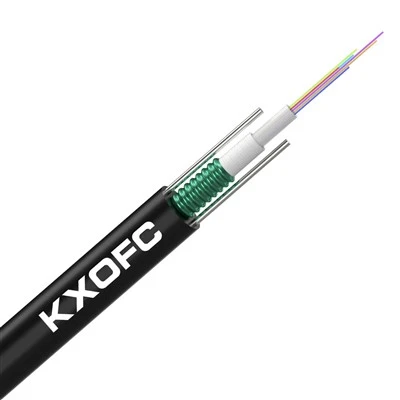
Well, that’s my advice on how to store FTTH drop cables and patch cords properly. By following these tips, you can ensure the quality and longevity of your cables and cords. And remember, if you’re in the market for high – quality FTTH drop cables and patch cords, I’m here to help. If you have any questions about storage or if you’re interested in purchasing from me, just reach out for a chat. I’m always happy to assist.
Optical Fiber References
- "Handbook of Fiber Optics: Theory and Applications"
- Industry standards for fiber optic cable storage and handling published by leading organizations in the telecommunications field.
Hangzhou Lin’an Kexin Optical Cable Co., Ltd.
As one of the most professional ftth drop cable and patch cords manufacturers and suppliers in China, we’re featured by quality products and good price. Please rest assured to wholesale discount ftth drop cable and patch cords made in China here and get pricelist from our factory. Customized orders are welcome.
Address: No. 28 Linglong Street,Lin’an Area, Hangzhou City, Zhejiang Province, China
E-mail: sales@kexincable.com
WebSite: https://www.kexincable.com/
