Hey there! I’m a supplier of other fabrics, and one question that comes up a lot is, "Are there different weights available for other fabrics?" Well, you bet there are! In this blog, I’m gonna dive into the world of fabric weights and how it affects different types of other fabrics. Other Fabrics

First off, let’s talk about why fabric weight matters. The weight of a fabric can have a huge impact on its look, feel, and performance. For example, a lightweight fabric is gonna be more breathable and drapable, making it perfect for summer clothing or items where you want a lot of movement. On the other hand, a heavier fabric is usually sturdier and more durable, which is great for things like winter coats or upholstery.
Now, when it comes to other fabrics, there’s a wide range of weights to choose from. Let’s start with some of the lighter options. One popular type of lightweight other fabric is chiffon. Chiffon is super sheer and flowy, and it typically weighs around 8 to 12 grams per square meter (gsm). Because of its light weight, chiffon is often used for things like evening dresses, scarves, and blouses. It gives a really elegant and feminine look, and it’s comfortable to wear in warm weather.
Another lightweight option is organza. Organza is a bit stiffer than chiffon, but it still has a nice drape. It usually weighs between 15 to 25 gsm. Organza is commonly used for wedding dresses, ballet costumes, and decorative accents. Its light weight and semi – transparent nature add a touch of romance and sophistication to any project.
Lace is also a type of other fabric that can come in various weights. Lightweight lace, which might weigh around 10 to 20 gsm, is perfect for delicate lingerie, trim on baby clothes, or subtle accents on a dress. It has a very intricate and feminine look, and its lightness makes it easy to layer with other fabrics.
Moving on to medium – weight other fabrics. One well – known fabric in this category is satin. Satin has a smooth and shiny finish, and it typically weighs between 80 to 120 gsm. This fabric is great for making pajamas, nightgowns, and formal dresses. It’s not too heavy to be uncomfortable, but it’s still substantial enough to hold its shape and give a luxurious appearance.
Twill is another medium – weight other fabric. Twill has a characteristic diagonal weave, and it usually weighs around 100 to 150 gsm. It’s a versatile fabric that can be used for a variety of things, like pants, shirts, and jackets. Twill is durable and easy to work with, and it comes in different colors and patterns.
Denim is also a classic medium – weight fabric that you’re probably familiar with. Denim weighs around 10 to 12 ounces per square yard (oz/yd²), which is equivalent to about 170 to 200 gsm. It’s known for its strength and durability, and it’s widely used for making jeans, jackets, and workwear.
Now, let’s look at some of the heavier other fabrics. Felt is a great example. Felt is a non – woven fabric that can vary in weight, but heavy – duty felt can weigh over 200 gsm. It’s often used for things like hats, rugs, and crafts. Felt is very insulating and can be made into a variety of shapes, so it’s a popular choice for DIY projects.
Wool blends are another type of heavy other fabric. A thick wool blend fabric can weigh around 300 gsm or more. This type of fabric is ideal for winter coats, suits, and upholstery. It’s warm, durable, and has a nice, rich look.
The weight of the fabric also affects how it’s made and used. For lighter fabrics, manufacturers often use finer threads and looser weaves. This helps to keep the fabric airy and flexible. When cutting and sewing lightweight fabrics, you need to be more careful because they can be slippery and prone to fraying. You might need to use special techniques, like using a fine – point needle and a shorter stitch length.
Medium – weight fabrics are generally easier to work with than lighter ones. They hold their shape better and are less likely to fray, so you can use more standard sewing techniques. However, you still need to consider things like the fabric’s stretch and grain when cutting and sewing.
Heavy fabrics require more robust sewing equipment. You’ll probably need a heavy – duty sewing machine with a stronger needle to penetrate the fabric. And when it comes to cutting, you might need sharp shears or a rotary cutter that can handle the thickness.
So, as a supplier of other fabrics, I know that different weights are essential for meeting the diverse needs of my customers. Whether you’re a fashion designer, a home decorator, or a DIY enthusiast, having access to a variety of fabric weights allows you to bring your creative ideas to life.
If you’re in the market for other fabrics of different weights, I’ve got you covered. I offer a wide selection of fabrics in all sorts of weights, colors, and textures. Whether you need a lightweight chiffon for a summer project or a heavy – duty wool blend for a winter coat, I can provide you with high – quality materials.
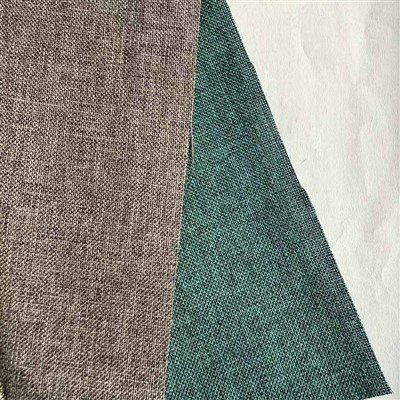
If you’re interested in purchasing some of our other fabrics, don’t hesitate to reach out. I’d be more than happy to discuss your specific requirements, answer any questions you might have, and help you find the perfect fabric for your needs. Let’s start a conversation and see how we can work together to make your project a success!
300D Oxford Fabric References
- Textile Institute. Handbook of Textile Fibres.
- Vogue Patterns Guide to Sewing.
- The Fabric Shop Network’s Fabric Knowledge Base.
Dongyang Huangxiu Leather & Plastic Co., Ltd.
With abundant experience, we are one of the most professional fabrics manufacturers in China. We warmly welcome you to wholesale customized fabrics made in China here from our factory. If you have any enquiry about quotation and free sample, please feel free to email us.
Address: Huangxiu Leather & Plastic Products, No. 79 Shunda Road, Huashui Town, Dongyang City, Zhejiang Province
E-mail: x372921764@163.com
WebSite: https://www.huangxiutextile.com/
