Hey there! I’m the guy behind a decorative landscaping stones supply business. Over the years, I’ve seen how a well – chosen stone can transform a landscape and make it blend seamlessly with the existing architecture. In this blog, I’m going to share my insights on how you can match decorative landscaping stones with the architecture of a place. Decorative Landscaping Stones
Understanding the Basics of Architecture Styles
First off, you gotta know the style of the building you’re working around. There are so many different architectural styles out there, each with its own unique features, and the stone you pick should complement them.
Traditional and Classical Architecture
Traditional and classical buildings usually have a sense of grandeur and symmetry. Think of old mansions, churches, or government buildings. These are often made with materials like brick, limestone, or granite. For these types of buildings, you wanna go for stones that have a timeless appeal. Limestone pavers are a great option. They’ve got a natural, earthy look that fits right in with the traditional aesthetic. Also, granite boulders can add a touch of solidity and elegance. You can place them around the entrance or as focal points in the garden.
If the building has columns or intricate moldings, I’d suggest using stones with smooth surfaces. Rough – hewn stones might clash with the refined details of classical architecture. Marble chips can be used for pathways or as a ground cover around flower beds. They’re shiny and give a very luxurious feel, just like the classical buildings themselves.
Modern and Contemporary Architecture
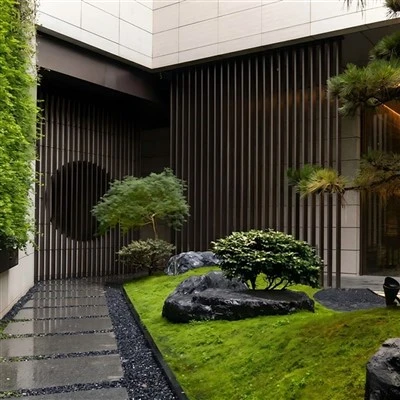
Modern buildings are all about clean lines, minimalism, and an open – concept design. They’re often made with glass, steel, and concrete. For this style, you should choose stones that have a simple and sleek appearance. Slate is a top pick. It comes in dark colors like black and gray, which go really well with the strong color palette of modern architecture. You can use slate for a patio or a rooftop garden.
Another great option is basalt tiles. Basalt has a uniform texture and a cool, industrial look. It works great as a border for a pool or as a backdrop for a modern art installation in the garden. And if you want to add a bit of contrast, you can use some white pebbles in a small container garden. This can create a nice visual break in the otherwise monochromatic modern landscape.
Rustic and Country Architecture
Rustic buildings are usually made with natural materials like wood or stone. They give off a warm, cozy, and lived – in vibe. When it comes to matching stones for this type of architecture, think of random – shaped fieldstones. These can be used to build walls or even small retaining structures. They have a very organic look that fits right in with the rustic style.
River rocks are also a good choice. You can use them to create a dry creek bed or as a ground cover under a tree. Their smooth, rounded edges add a softness to the landscape, which is perfect for a country – style home. And don’t forget about cobblestones. They can be used for a small, ancient – looking pathway leading to the front door.
Considering the Color Scheme
The color of the stones is super important when it comes to matching them with the architecture. You don’t want the stones to stick out like a sore thumb. Instead, they should either blend in or provide a complementary contrast.
Blending with the Building Color
If your building is made of red brick, you can use stones that have reddish or brownish tones. Sandstone with a warm, red – brown color would look great next to a red – brick house. It creates a harmonious look that makes the whole property feel more put – together.
For a white – painted building, light – colored stones like white quartzite or cream – colored limestone can be a great match. They’ll make the building stand out even more while still looking like they belong in the same picture.
Creating Contrast
Sometimes, you want the stones to create a bit of contrast. For example, if you have a very dark – colored building, you can use light – colored pebbles or white marble chips. This contrast can draw the eye and add visual interest to the landscape.
On the other hand, if your building is very light in color, using dark – colored slate or black lava rocks can make the landscape more dynamic. Just be careful not to overdo it. Too much contrast can make the whole setup look chaotic.
Texture Matters
The texture of the stones can also have a big impact on how they match with the architecture.
Smooth Surfaces
If your building has smooth, polished surfaces, like in a modern or contemporary style, smooth – textured stones are a good fit. Polished granite slabs can be used for a patio in a modern house. They have a shiny, high – end look that complements the building’s sleekness.
Rough and Natural Textures
For buildings with a more rustic or traditional feel, rough – textured stones are the way to go. If you’ve got a log cabin in the woods, rough – hewn bluestone can be used to build a porch or steps. The natural texture of the stone adds to the cabin’s charm and the overall natural setting.
Size and Scale
Getting the right size and scale of the stones is crucial. You don’t want to use huge boulders in a tiny front yard, or teeny – tiny pebbles in a large commercial landscape.
Small – Scale Landscapes
In small front yards or small gardens, smaller stones are better. You can use pea gravel for a small pathway or small decorative stones in a container garden. They won’t overwhelm the space and will make it look more balanced.
Large – Scale Landscapes
For large commercial properties or big backyards, bigger stones can be used. Large granite boulders can be placed strategically to create focal points. They can also be used to build large retaining walls. And for really expansive areas, you might even consider using large slabs of stone for a patio or a plaza.
Maintenance and Durability
When you’re choosing decorative landscaping stones, it’s also important to think about how much maintenance they’ll need and how durable they are. You don’t want to pick a stone that’s going to crumble or fade in a year or two.
Some stones, like limestone, can be a bit more porous and may need to be sealed regularly to prevent staining. On the other hand, granite is extremely durable and doesn’t require a lot of maintenance.
If you live in an area with harsh winters, you should choose stones that can withstand freezing and thawing. Sandstone may crack in cold climates, while basalt is more resistant to such weather conditions.
Conclusion

Matching decorative landscaping stones with the existing architecture is all about understanding the style, color, texture, size, and durability. By taking these factors into account, you can create a landscape that not only looks great but also enhances the beauty of the building.
Basalt Rock Fountain If you’re interested in sourcing high – quality decorative landscaping stones for your projects, whether it’s a small home garden or a large commercial development, I’d love to have a chat with you. We’ve got a wide range of stones in different colors, textures, and sizes to meet your specific needs. Just reach out, and we can start discussing how to make your landscaping dreams a reality.
References
- “Landscaping with Stone: A Guide to Design and Installation”
- “The Architecture of Different Eras: Styles and Features”
- “Natural Stone Handbook: Properties, Applications, and Care”
Orin International Trade Co., Ltd.
With abundant experience, we are one of the most professional decorative landscaping stones manufacturers and suppliers in China. We warmly welcome you to wholesale custom made decorative landscaping stones from our factory. If you have any enquiry about cooperation, please feel free to email us.
Address: No.3-1, Shangzhongdi Natural Village, Hexian Village, Shuangta Sub-district, Jiangshan City, Quzhou City, Zhejiang Province
E-mail: atlas@orinstone.com
WebSite: https://www.orinstone.com/
